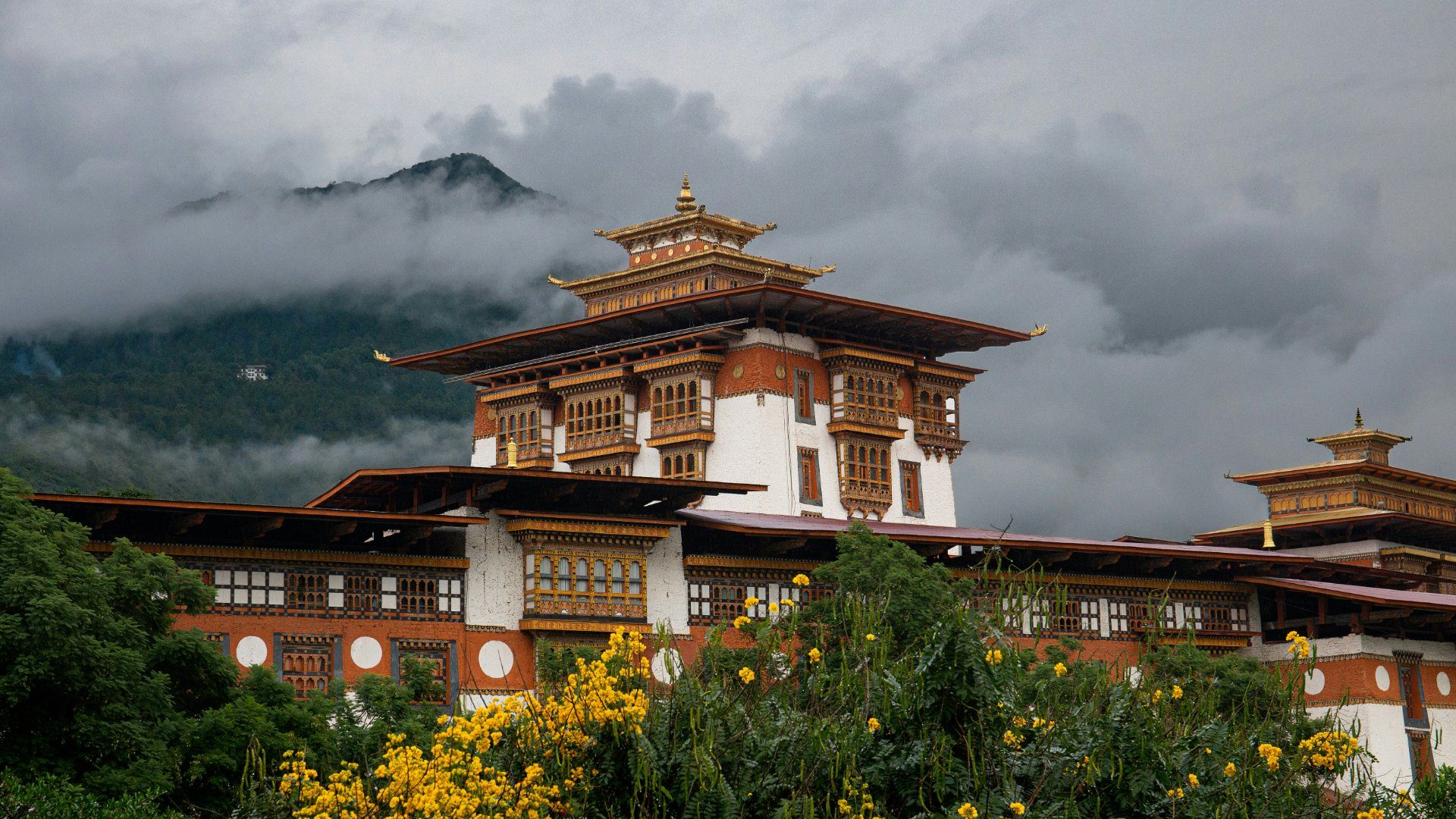
Imagine a country where there are no traffic lights, where the air is so crisp it feels like you are breathing for the first time, and where the government measures success not by Gross Domestic Product, but by Gross National Happiness.
Welcome to Bhutan
Tucked away high in the eastern Himalayas, the Kingdom of Bhutan is one of the most mysterious, exclusive, and breathtakingly beautiful countries on earth. For decades, it remained completely isolated from the rest of the world. Even today, it deliberately limits the number of tourists who can enter to protect its pristine environment and deeply rooted Buddhist culture.
For Indian travelers in 2026, Bhutan is the ultimate escape. It is right next door, yet it feels like stepping onto another planet. But because Bhutan is so focused on sustainable, high-value tourism, planning a trip here isn't as simple as just booking a flight and showing up.
If you are dreaming of ancient monasteries, fluttering prayer flags, and towering Himalayan peaks, this comprehensive guide will walk you through exactly what you need to know—and why you need a curated expedition to experience it properly.
The Elephant in the Room: Permits and the SDF (Sustainable Development Fee)
Let’s tackle the most asked question on the internet right now: "What are the entry rules for Indians traveling to Bhutan?"
Unlike most international destinations where you just apply for an e-visa, Bhutan operates on a philosophy of "High Value, Low Volume" tourism.
The Permit Process Indian passport holders (or those with a valid Voter ID) do not need a traditional visa to enter Bhutan. However, you absolutely must obtain an Entry Permit. This is no longer a simple piece of paper you get by waiting in line at the border. The process has been digitized and streamlined, but it requires prior hotel bookings, a structured itinerary, and an assigned local guide.
The SDF Explained To protect their fragile ecosystem and fund free healthcare and education for their citizens, the Bhutanese government levies a daily tax on all tourists. For Indian nationals, the Sustainable Development Fee (SDF) is currently fixed at ₹1,200 per person, per night.
While paying a daily fee might seem surprising at first, the moment you step foot in Bhutan, you realize exactly what you are paying for. You are paying for a country with zero overcrowding. You are paying for spotless streets, untouched alpine forests, and the luxury of standing inside an ancient temple without being pushed around by a crowd of a thousand tourists. The SDF guarantees an exclusive, premium experience that no other country can offer.
How to Reach the Dragon Kingdom
There are two primary ways to enter Bhutan from India, and both offer entirely different experiences.
By Air (The Scenic Route): Flying into Paro International Airport is an adventure in itself. Paro is considered one of the most challenging airports in the world to land in, and only a select handful of pilots are certified to do it. As your Drukair or Bhutan Airlines flight weaves through the towering Himalayan valleys, you get unparalleled, eye-level views of Mount Everest and Kanchenjunga. Direct flights are available from Delhi, Kolkata, and Bagdogra.
By Road (The Adventurer's Route): If you prefer a road trip, you can drive to the border town of Jaigaon in West Bengal and cross on foot or by car into Phuentsholing, Bhutan. The contrast is immediate—one side of the gate is a bustling, noisy Indian market town, and the other side is a serene, perfectly manicured Bhutanese city. From Phuentsholing, it is a stunning, winding 5-hour drive up the mountains to the capital, Thimphu.
The Perfect 5-Night Bhutan Itinerary
To truly absorb the magic of Bhutan without rushing, a 5-night, 6-day itinerary is the golden standard. Here is a glimpse of what that journey looks like.
Thimphu: The Capital Without Traffic Lights
Your journey begins in Thimphu, a capital city so relaxed that the traffic is directed by a white-gloved policeman standing in a beautifully decorated wooden booth.
- The Highlight: The Buddha Dordenma. This massive, 169-foot-tall bronze Buddha statue, gilded in gold, sits atop a hill watching over the entire Thimphu valley. Inside the statue are 125,000 smaller Buddhas. The sheer scale and peace of this site will leave you speechless.
- The Vibe: Explore the local textile museums, visit the Takin Preserve (to see Bhutan’s bizarre but adorable national animal), and try Ema Datshi, the national dish made entirely of spicy chilies and melted cheese.
Punakha: The Valley of Royalty
From Thimphu, you will drive over the famous Dochu La Pass (situated at 10,000 feet). On a clear day, this pass offers a 360-degree panoramic view of the highest, unclimbed peaks in the world, framed by 108 memorial chortens (stupas).
- The Highlight: Punakha Dzong. Known as the "Palace of Great Happiness," this massive fortress sits at the exact confluence of two rivers (the Mo Chhu and Pho Chhu). It is arguably the most beautiful piece of architecture in the country.
- The Adventure: Walk across the Punakha Suspension Bridge, one of the longest in Bhutan, draped in thousands of colorful prayer flags blowing in the Himalayan wind.
Paro: The Grand Finale
You save the best for last. Paro is a beautiful, expansive valley that houses the country’s airport, but its true claim to fame hangs precariously on a cliffside.
- The Highlight: The Hike to Taktsang Palphug Monastery (The Tiger’s Nest). No trip to Bhutan is complete without this. Perched on a sheer rock cliff 3,000 feet above the valley floor, this monastery is sacred. The hike takes about 4 to 5 hours round trip through dense pine forests. It is physically challenging, deeply spiritual, and completely rewarding. When you finally reach the top, the view of the monastery seemingly floating in the clouds is something you will remember for the rest of your life.
When is the Best Time to Visit?
Bhutan is beautiful year-round, but there are two distinct prime seasons:
- Spring (March to May): The valleys come alive. The weather is pleasantly warm, and the hills are completely covered in blooming rhododendrons and vibrant wildflowers.
- Autumn (September to November): This is post-monsoon season. The skies are crystal clear, offering the absolute best, unobstructed views of the high Himalayan peaks. It is also the season for many of Bhutan’s famous Tshechus (vibrant mask dance festivals).
(Pro Tip: Winter is very cold but incredibly peaceful and offers a higher chance of seeing the Black-Necked Cranes in the Phobjikha Valley. Summer brings the monsoon, which can cause roadblocks, so it is generally avoided.)
Why You Cannot (and Should Not) Do It Alone
Because of the mandatory SDF, the required official guides, and the complex permit system, Bhutan is not a destination for DIY, unguided backpacking. The government mandates that your trip be highly organized to maintain the sanctity of the kingdom.
This is why traveling with Holiday Matrix is the ultimate hack.
When you book your Bhutan expedition with us, you don’t have to lift a finger regarding logistics.
- We handle the bureaucracy: From securing your entry permits to processing your daily SDF fees, our team does the heavy lifting before you even pack your bags.
- The Best Local Guides: In Bhutan, your guide makes or breaks your trip. We partner with the most knowledgeable, English and Hindi-speaking local guides who share the deep folklore and history of the country.
- Seamless Transport: Driving on Bhutanese mountain roads requires immense skill. You will be chauffeured in comfortable, premium vehicles so you can focus on the views, not the hairpin turns.
- Curated Stays: We bypass the generic and put you in stunning boutique hotels and resorts that offer authentic Bhutanese hospitality and breathtaking valley views.
Ready to Find Your Happiness?
Bhutan isn't just a vacation; it is a reset for your soul. It is a chance to disconnect from the chaos of modern life and reconnect with nature, spirituality, and peace.
Don’t let the permit process intimidate you. Let the experts at Holiday Matrix craft the perfect 4-night or 5-night Bhutanese expedition for you, your family, or your friends. Contact us today to check our 2026 departure dates, get a customized quote, and take the first step toward the Land of the Thunder Dragon.
Written by
Abhinav Garg
Destination Expert | 10+ Years in Travel Planning